
News & Media / Google Business Profile: A Practical Playbook for B2B Teams
Google Business Profile: A Practical Playbook for B2B Teams
Google Business Profile: A Practical Playbook for B2B TeamsPublished
Mar 02, 2026
For many B2B firms, a Google Business Profile is something that was set up once, verified, and and then quietly forgotten. It sits there in the background, functioning well enough and rarely revisited.
That is often a mistake.
Across professional services firms, technical consultancies, and multi-location companies, we see the same behaviour again and again. Before someone visits your website, they usually look you up on Google. They scan your profile, glance at a few photos, read a review or two, and form a quick impression of who you are.
Google Business Profile is not especially exciting, and it is not particularly complicated. But it is one of the simplest ways to reinforce trust in public.
This guide is not about tricks or growth hacks. It is about getting the fundamentals right and keeping them that way.
What Google Business Profile Actually Does
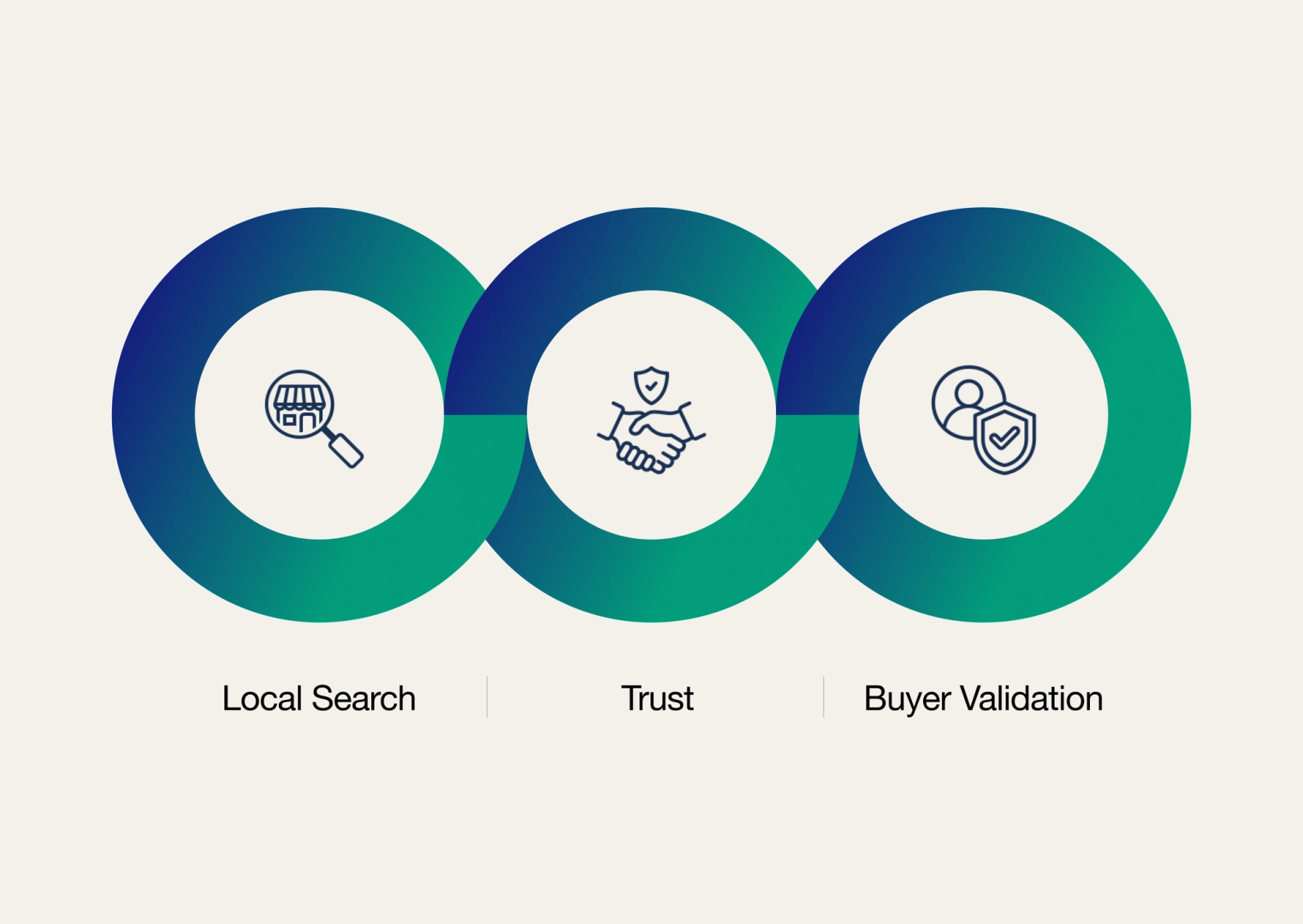
When someone searches your company name, or searches for services like yours in your city, the profile often becomes their first point of contact. It acts as a quick check. Are you legitimate? Do you look established? Do others seem to trust you?
Your website still carries the depth of the story. Your broader SEO work still drives discovery. But the profile often plays the role of introduction. When it is accurate and well maintained, it reinforces the impression your brand is trying to make.
In that sense, it is less a marketing channel and more a layer of public trust.
Get the Structure Right
Before worrying about optimisation, make sure the basics are correct.
Your business name should appear exactly as it is legally registered. Adding keywords or locations might seem like a clever shortcut, but it tends to undermine credibility and can sometimes lead to profile suspensions.
Address details should also be handled carefully. If clients visit your office, list the address clearly and make sure it appears the same way across the web. If your company operates as a service business, define your service area and keep the street address hidden.
Hours are another small detail that quietly carries weight. Accurate opening hours, including holiday adjustments, signal reliability. When information is wrong, even in minor ways, it can make a business feel inattentive.
None of this is complicated. But it is the groundwork that everything else rests on.
Define What You Actually Do
Most B2B profiles are either vague or stuffed with keywords.
It should explain who you work with, what you do, and why your company exists. Clear language works best. Mention core services and geography where it feels natural, but avoid exaggerated claims or promotional tone.
The goal is not persuasion. It is clarity. When someone reads the description, they should quickly understand what kind of company you are.
Build Proof, Not Just Presence
A profile without evidence feels unfinished.
The services section is often overlooked, yet it plays an important role. It helps both Google and potential clients understand the scope of your work. Rather than listing endless variations of the same offering, focus on the services that genuinely define your business.
Plain language works best here. A visitor should be able to glance at the list and immediately recognise whether you provide what they are looking for.
Images and photography carry a surprising amount of weight.
They help turn a company name into something more tangible. A few photographs of your workspace, building, or team can make a business feel established and real in a way that text alone cannot.
Stock imagery doesn't cut it. Authentic photos tend to work better, even if they are simple or candid. Over time, refreshing them occasionally helps signal that the business is active and present. What people are looking for is not perfection. They are looking for signs of life.
Reviews are one of the strongest signals of credibility on the platform.
In B2B, people rarely read them expecting dramatic stories. Instead, they look for quiet confirmation that a company delivers on what it promises.
Encouraging clients to leave feedback should be a normal part of your relationship with them, not an occasional request. When reviews arrive, responding thoughtfully matters. A brief, human reply shows that the business is paying attention.
A handful of genuine reviews often carries more weight than a long list of shallow ones. What matters most is that the feedback feels real.
Maintain It With Intention
Google tends to favour profiles that show signs of activity, though this does not require constant attention.
In practice, it simply means looking after the profile as the business evolves. Information should remain current. Reviews should receive responses. Photos can be refreshed now and then.
A quarterly review is often enough to ensure the profile still reflects the company accurately. Small acts of maintenance go a long way.
Part of a Larger System
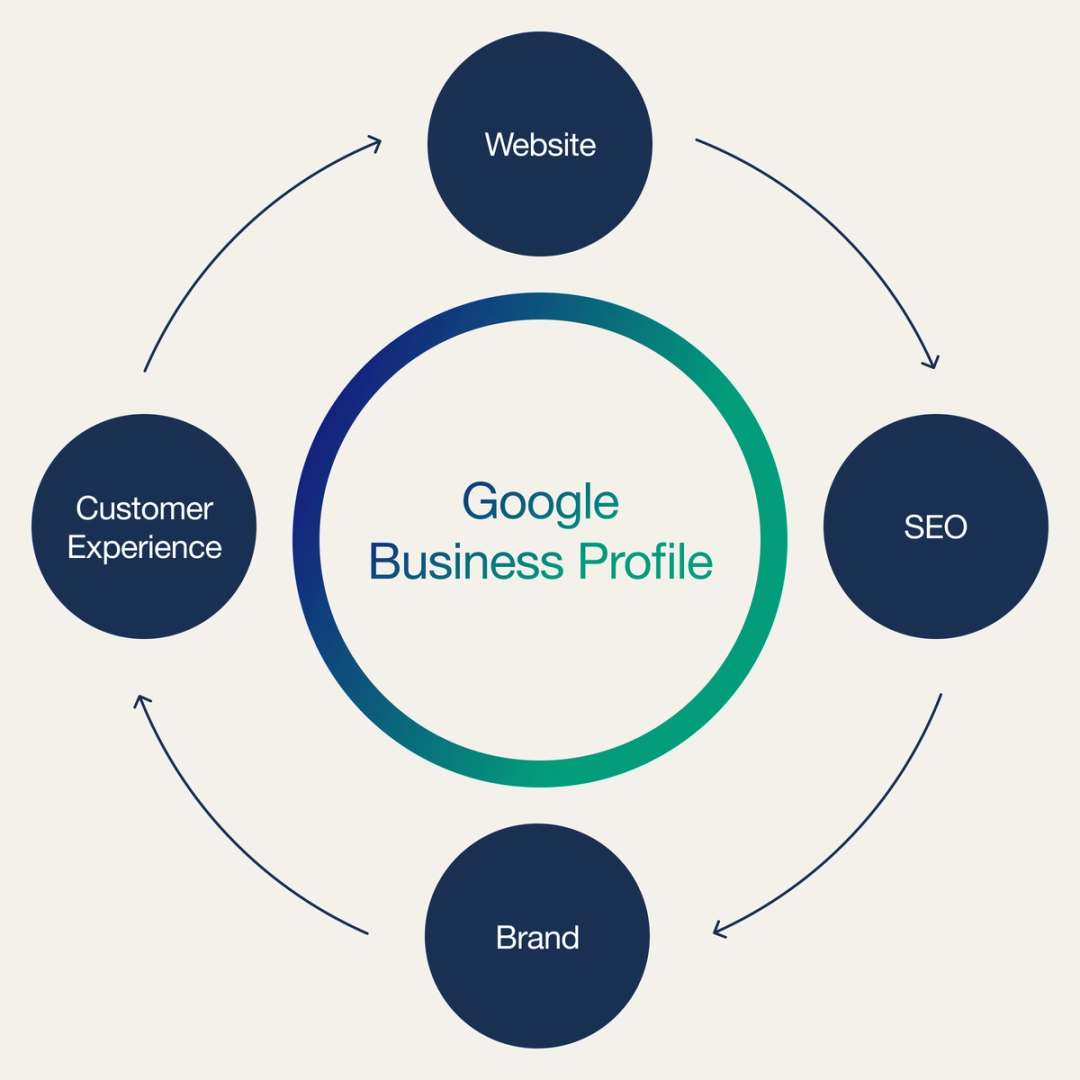
Google Business Profile works best when it aligns with the rest of your digital presence.
Your website, your SEO efforts, and the way you present your brand should all reinforce the same story. When information is consistent across these touchpoints, the experience feels coherent.
Seen this way, the profile is not a separate marketing tool. It is one small but visible part of a larger system.
Final Thought: Simple, Consistent, Intentional
A strong Google Business Profile does not require complex tactics or constant updates.
Accuracy, consistency, and occasional attention are usually enough.
Many B2B companies gain an advantage simply by maintaining their profile properly while competitors neglect theirs. The impact can be surprisingly large for something so straightforward.
Often it is the smallest public details that shape the strongest first impressions.